
Yoga for Urinary Incontinence: A Natural Approach to Bladder Control

Urinary incontinence, or the involuntary leakage of urine, is a common concern—especially among women during postpartum recovery, hormonal changes, or with increasing age. It may appear during simple activities like coughing, sneezing, laughing, or due to a sudden urge to urinate.

While many consider it a minor or unavoidable issue, it is often a sign of pelvic floor weakness, poor core coordination, and imbalance in internal pressure management.
Yoga therapy offers a natural and effective approach to address this condition at its root.
Understanding the Cause
Bladder control depends on the proper functioning of:
Pelvic floor muscles
Core stability
Breath coordination
Nervous system regulation
When there is a lack of strength or coordination between these systems, the bladder loses adequate support, leading to leakage.
From a yogic perspective, this condition is associated with imbalance in Apana Vayu and reduced stability in the Mooladhara (root) region.
How Yoga Helps
Yoga works beyond isolated muscle strengthening. It focuses on:
Improving pelvic floor strength and endurance
Enhancing neuromuscular coordination
Regulating intra-abdominal pressure
Calming the nervous system
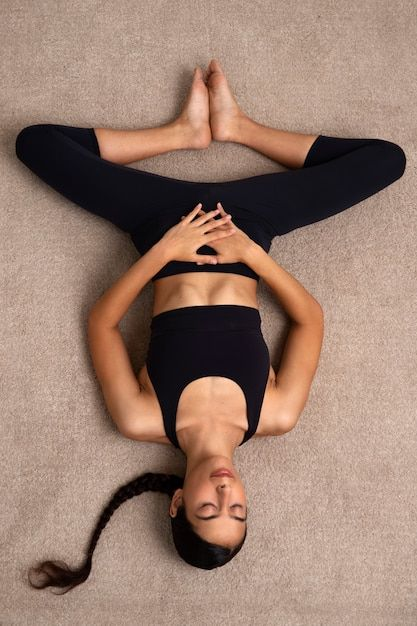
This integrated approach makes yoga a sustainable solution for long-term bladder control.
Key Yogic Practices
Moola Bandha (Pelvic Floor Activation)
Moola Bandha
This is the most important practice for urinary incontinence. It involves gentle contraction and release of the pelvic floor muscles, improving both strength and awareness.
Strength-Based Asanas
Setu Bandhasana
Utkatasana
These postures build functional strength and support the bladder during daily movements.
Coordination & Mobility
Marjariasana-Bitilasana
Helps synchronize breath, abdomen, and pelvic floor—essential for managing internal pressure.
Inversion for Support
Viparita Karani
A gentle inversion that reduces pressure on pelvic organs, promotes circulation, and supports recovery.
Breath Regulation
Nadi Shodhana
Balances the nervous system and helps improve urge control.
Important Considerations
Avoid excessive abdominal strain and strong cleansing practices in the initial stages.
Agnisar Kriya should be introduced only after sufficient pelvic floor strength is developed, as it increases abdominal pressure.
Simple Daily Practice (15–20 Minutes)
Moola Bandha – 5 minutes
Cat–Cow – 2 minutes
Bridge Pose – 3 minutes
Chair Pose – 2 minutes
Viparita Karani – 5–10 minutes
Nadi Shodhana – 5 minutes
Consistency is key to achieving lasting results.
Conclusion
Urinary incontinence is not something that needs to be ignored or accepted as normal. With a structured yoga practice, it is possible to improve pelvic strength, coordination, and bladder control naturally.
Yoga provides not just relief, but a deeper connection with the body—restoring both function and confidence over time.


Comments